
Scope
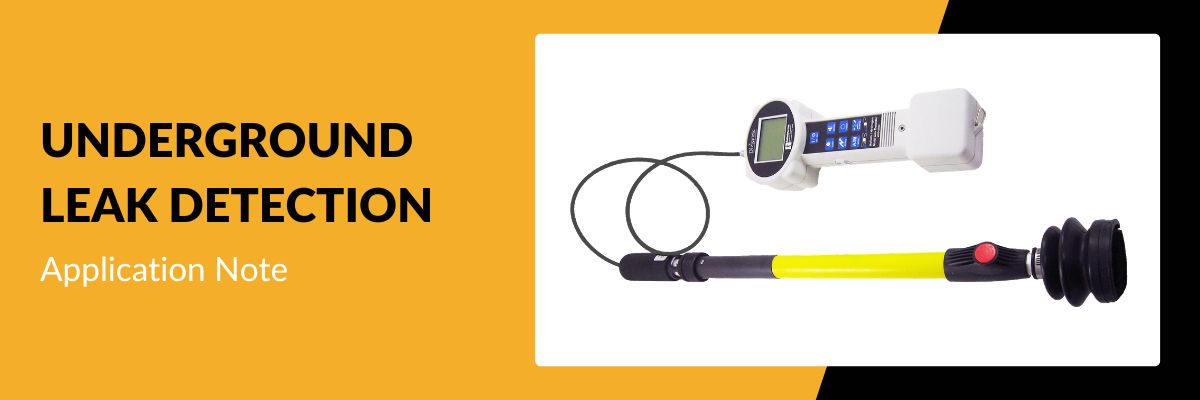
This application note covers leak testing of underground pipelines or storage tanks. BACKGROUND Hydrogen (H2) and helium (He) can be used as a tracer gas for leak testing in a multitude of pressurized systems. While Helium is traditionally used as a tracer gas in leak detection and location, it has become extremely difficult to obtain, and very expensive to use when, and if, it can be found. Primarily due to helium’s scarcity, alternative methods of leak detection and location have been developed. FluidX offers leak detectors and locators for both types of tracer gasses, helium and hydrogen. Helium detector products are used to detect leaks today in many industries and applications, including: military RF systems, high voltage AC power systems, high definition television, chemical manufacturing, cellular and analog telecommunication, utility piping systems, and industries utilizing above and below ground storage tanks.
Steps to Locate Leak
The following method can be used to identify a leak location in a buried pipeline.
- Purge line with compressed air.
- Verify location of pipeline.
- Isolate the pipeline into the smallest possible sections.
- Drill or punch holes through asphalt or concrete as necessary to allow helium to rise through. Begin with holes 10-20 feet apart (depending on length of run). Once the leak is found, you’ll need to drill additional holes to pinpoint the leak. Joints and cracks will usually allow helium to pass through.
- Flow helium into the line at a pressure of about 10 psig. Ensure that you do not pressurize the system above it’s rated pressure. A visual flow indicator is helpful to monitor helium consumption and to determine when the line is fully pressurized. Make sure you are not leaking helium from the bottle or fill plumbing as this may make it difficult to locate a leak. Use the detector to check for leaks in the helium setup. It may be desirable to create a small temporary leak only to verify the detector is sensing helium properly.
- Once helium is flowing, begin scanning the surface above the pipeline with the helium detector. Search first at any suspect areas, particularly where you suspect pipe joints or valves. Using a systematic approach, mark the areas tested. Rescan the areas as required. It may take from a few minutes to several hours for the helium to rise to the surface depending on the size of the leak, depth of the pipe and soil conditions. At first take readings far apart, then in between. Once some helium is sensed, begin sniffing nearby until you locate the point of highest helium signal. In outdoor windy conditions, it may be difficult to sense the helium because it will quickly disperse.
Benefits
This leak testing method allows for underground detection and location of leaks without the costly removal of pipelines or storage tanks. It allows for precisely locating leaks to make repairs quicker, cheaper, and easier.